
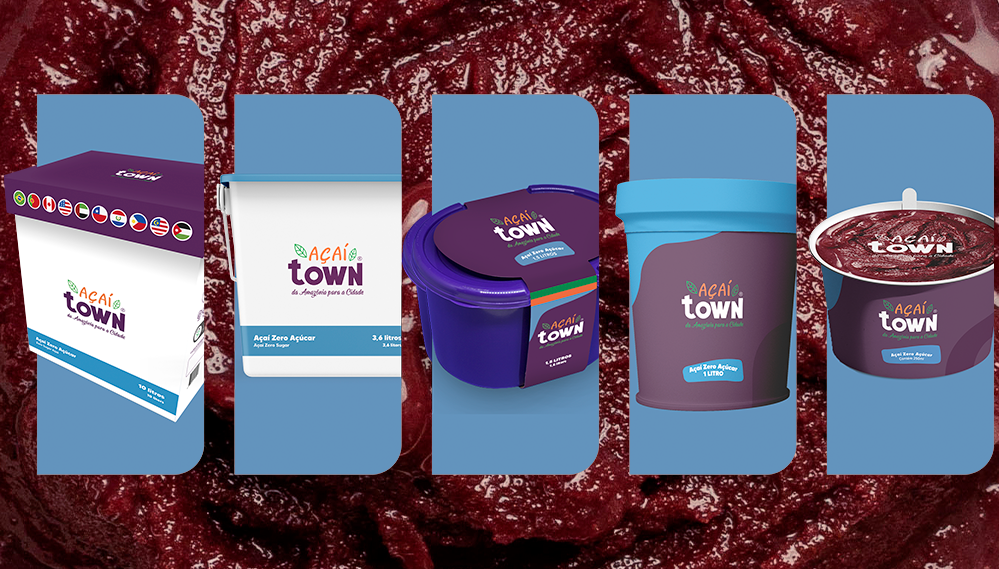
Açaí Zero: Is It Really Fitness Food?

August 7, 2025

Categorias: Padrão EN

Here at Açaí Town, in addition to our traditional açaí, we also offer a zero sugar version! Made especially for those looking for a more balanced lifestyle, without added sugar, but still full of flavor.
But there’s a question we hear a lot: Is açaí zero actually fitness? The answer isn’t as simple as it seems. Many people associate the word “zero” with a light or weight-loss-friendly food, but even without sugar, açaí is still naturally high in calories and energy.

“Zero sugar” doesn’t mean “low calorie”

Many assume that açaí zero is low in calories just because it contains no added sugar, but that’s not entirely true. Açaí zero doesn’t have refined sugar or guaraná syrup, which is great for those trying to avoid sugar spikes or reduce overall sugar intake. However, pure açaí is still a calorie-dense fruit, and here’s why: it’s rich in healthy fats, especially omega-6 and omega-9. These fats benefit heart, brain, and skin health, but they’re still a source of energy, and therefore, calories. So even without added sugar, açaí remains a nutritionally and energetically dense food.

It depends on the toppings

Choosing açaí zero can be a step toward healthier eating, especially for those avoiding sugar. But the final nutritional value of your açaí bowl depends heavily on the toppings.

Sometimes people choose the zero version thinking it’s a “fitness” option, but then add high-calorie toppings like:

  • Sweetened condensed milk
  • Peanut candy (paçoca)
  • Granola with refined sugar
  • Chocolate or hazelnut spreads
  • Large amounts of powdered milk
  • Candy, sprinkles, and other sugary extras

These ingredients, though delicious, can easily make your bowl exceed 1000 calories, which contradicts the idea of a balanced, lighter meal.

To keep it healthy, go for natural and lighter toppings like:

  • Fresh fruit
  • Unsweetened granola
  • Seeds like chia, flaxseed, or oats
  • A drizzle of honey instead of condensed milk
  • Açaí is energizing, not a “weight-loss” food

Another common misconception is that açaí, because it’s natural and rich in antioxidants, promotes weight loss. But what makes a food appropriate for weight loss isn’t just its ingredients, it’s how, when, and how much of it you eat.

Açaí is naturally high in fats and carbs, making it an excellent source of energy, ideal for pre- or post-workout. But that doesn’t mean it helps with weight loss or fits every low-calorie diet.

In short: açaí is healthy, but caloric. It can definitely be part of a balanced diet, even a weight-loss plan, as long as it’s consumed in moderation with the right toppings.

“Fitness” is a relative concept

The word fitness is widely used in the healthy eating world, but its meaning varies from person to person. What’s considered fitness for one may not be for another. It depends on personal goals, nutritional needs, activity levels, and health conditions.

  • Açaí zero, for example, may be a great option for:
  • Those who want to reduce or avoid refined sugar
  • People with diabetes or dietary restrictions
  • Anyone looking for a natural energy source

For these groups, it can be considered a healthy and functional alternative.
However, that doesn’t mean every açaí zero bowl is light, diet-friendly, or intended for weight loss.

Other factors, like portion size, toppings, and frequency, also make a big difference. A large açaí zero bowl loaded with high-calorie toppings can have just as many (or more) calories as a regular sweetened one.

So… is açaí zero fitness or not?

Açaí zero is definitely a healthier alternative to heavily sweetened versions, especially for those watching their sugar intake. But it shouldn’t automatically be labeled as “fitness food” or a weight-loss solution.

It all depends on how you consume it, from your topping choices to the portion size. When enjoyed in a balanced way, açaí zero can absolutely be part of a healthy lifestyle.

Remember: health is about balance. Whether something is “fit” or not depends on the context, not just the label.


How to Import Açaí from Brazil with Açaí Town?

August 1, 2025

Categorias: Padrão EN

Do you want to boost your business with authentic Brazilian açaí? Are you looking for a reliable supplier to import the product directly from Brazil? For international trade, certain strategies are necessary: learn how the export process works with Açaí Town.

Açaí, a typical Amazonian fruit, has become one of the most consumed superfoods in the world. Its versatility savory in Northern Brazil or sweet, in bowls and smoothies has won over consumers in many countries and supports the economy of several Brazilian regions.

At Açaí Town, we specialize in exporting açaí.
We currently serve over 40 countries and have a highly qualified team ready to manage all stages of the export process, from the first contact to final delivery, by sea or air. Our focus is on offering personalized, fast, and efficient service.

How does the import process work?
Besides commercial interest, it’s important to be aware of some technical requirements to ensure a safe and successful import process especially for a frozen product. Here are the main points:

  • Infrastructure: You need an adequate storage space with an average temperature of -18°C to maintain product integrity.
  • Technical Manager or Customs Agent: You’ll need a local professional to handle legal and sanitary matters in the destination country.
  • Documentation and Adjustments:Let us know the specific requirements of your country so we can adapt the label, packaging, and product formulation according to local regulations.
  • Taxation and Costs:Understand local taxes and fees to accurately calculate the final import cost and define your profit margin.
  • Deadlines and Logistics: Consider not only transportation times but also legal procedures and customs clearance. Our team will adjust the schedule according to your demand to prevent supply shortages.

Packaging and shipping options
We currently offer a variety of packaging sizes for export, including:

  • 10L and 5L boxes
  • 3.6L buckets
  • 1L, 500ml, and 240ml jars

We also offer private label options. Our communication team can assist in designing customized packaging with your brand, according to your market’s requirements.

I’m interested, what’s next?
If you want to import açaí with full support in all steps, talk to our sales team. We’ll guide you clearly and confidently from start to finish:

Click here to talk with our team via WhatsApp:

[https://api.whatsapp.com/message/23HMAXGHZZUMN1?autoload=1\&app_absent=0]

Is Açaí Considered a Dessert or a Meal?

July 22, 2025

Categorias: Padrão EN

Açaí is a tropical fruit native to the Amazon region that has won the hearts of Brazilians with its different ways of being consumed, its bold flavor, and creamy texture. While in Northern Brazil it’s traditionally eaten as a savory dish, in other regions it has become a popular sweet and refreshing treat.

SAVORY AÇAÍ VS SWEET AÇAÍ


In Pará, açaí is a staple of local cuisine, often served with fried fish, dried shrimp, manioc flour, or tapioca. This version is rich in nutrients and cultural tradition. Meanwhile, in states like Rio de Janeiro and São Paulo, açaí is more commonly enjoyed sweet — in bowls with bananas, strawberries, granola, powdered milk, honey, sweet creams, chocolate, and many other toppings. Its versatility allows it to adapt to regional tastes, whether as a meal or a dessert.

A FUNCTIONAL AND NUTRITIOUS FOOD


Besides being delicious, açaí is highly nutritious. It’s rich in:

  • Antioxidants
  • Fiber
  • Healthy fats
  • Minerals like iron, calcium, and potassium

That’s why it’s considered a functional food — one that offers proven health benefits. Açaí can support cardiovascular health, boost energy, and help fight free radicals.

AÇAÍ: DESSERT OR MEAL?


The answer depends on the toppings you choose.

As a dessert:
When paired with condensed milk, syrupy fruits, sweet creams, or chocolate, açaí becomes an irresistible dessert — perfect for hot days or sweet moments.

As a functional food:
When combined with fresh fruit, oats, chia seeds, peanut butter, or natural yogurt, açaí keeps its health benefits and becomes a great option for breakfast or a pre/post-workout snack.

AND OUTSIDE BRAZIL?
Açaí has also gained popularity internationally, with regional adaptations:

In the Middle East:
It’s served in bowls with local ingredients like dates, nuts, and seeds. The texture is often thicker and customized to local tastes.

In the United States:
Açaí is a hit among fitness lovers. Rich in energy and iron, it’s used in shakes, smoothies, and supplements. Still, the most popular version remains the classic açaí bowl with banana, granola, and fresh fruit.

SO, IS AÇAÍ A DESSERT?
The honest answer: it depends on how you eat it.

In many places in Brazil and around the world, it’s a refreshing sweet treat — a great alternative to ice cream. But in its origin, and in many homes in Northern Brazil, açaí is still consumed as a savory main dish, just as nutritious and delicious.

No matter how you like it — sweet or savory, with fruit or chocolate — the important thing is to enjoy it consciously and explore all its versatility!

Does Açaí Town have added sugar?

July 14, 2025

Categorias: Padrão EN
o açaí pode ter açúcar adicionado?

Açaí sorbet is one of Brazil’s most beloved desserts and for good reason! Incredibly versatile, it can be enjoyed in many ways and fits different lifestyles. In Pará, for example, açaí is traditionally consumed in a savory form, served with fried fish and manioc flour. But in other regions of Brazil, it became popular as a sweet treat.

Nowadays, açaí is found in snack bars, ice cream parlors, cafés, gyms — and even in specialized açaí shops. That’s because, besides being refreshing, it’s a great source of energy and can be customized with various toppings like fruits, powdered milk, granola, sweet creams, and much more.

But one common question is: does açaí have added sugar?

Yes, the sweet version of açaí does contain added sugar. But don’t worry — that doesn’t mean it can’t be part of a healthy diet. The sugar enhances the flavor, especially when served cold as a sorbet or creamy dessert. Plus, when consumed in moderation, sugar also has its role: it provides quick energy, which is especially valued by athletes and people with active lifestyles. That’s why açaí is so popular before or after workouts.

The Açaí Town Difference

At Açaí Town, we take flavor and quality very seriously. Our recipe is exclusive and crafted in-house. Unlike many products on the market, we do not use the traditional guaraná syrup, which is often one of the main sources of sugar in other brands.

Instead, we use carefully selected ingredients and a unique formulation that delivers a rich flavor, creamy texture, and a perfect balance between sweetness and the fruit’s natural taste.

For those following a low-sugar diet, we offer our Açaí Zero version, sweetened with sucralose — a sugar-free sweetener that doesn’t alter the taste or affect blood sugar levels. It’s perfect for diabetics, people on low-carb diets, or anyone looking to reduce their sugar intake.

So yes — people with diabetes can enjoy açaí, as long as they choose the sugar-free version and the right toppings.

Does açaí make you gain weight?

This is a very common question. And the answer is: it depends on how you consume it. Açaí on its own is rich in healthy fats, fiber, and antioxidants. What really influences the calorie count are the toppings and portion size. A cup of açaí with banana and granola is very different from one with condensed milk, heavy cream, and powdered milk.

If your goal is to lose weight, the best approach is to stick to moderate portions, light toppings, and, if possible, go for the zero sugar version.

Mango and Passion Fruit Sorbet: Combination with Açaí

April 15, 2025

Categorias: Padrão EN
mango and passion fruit with açai

If you work with açaí or want to bring something new to your menu, combining mango or passion fruit cream with açaí — served in a swirled presentation — is an excellent choice. This tropical mix delivers a striking contrast between the sweetness of mango and the tartness of passion fruit, offering a unique and delicious experience for your customers.

Açaí is already a favorite thanks to its unmistakable flavor and health benefits. But when paired with natural flavors like mango and passion fruit, it becomes even more appealing. The mango sorbet adds a smooth, sweet touch, while the passion fruit brings a refreshing acidity. Together, they balance the taste of açaí and make the product even more attractive.

Beyond the flavor, this combination also stands out visually. The deep purple of the açaí, the vibrant orange of the mango, and the bright yellow of the passion fruit create a colorful and irresistible presentation — perfect for cups or bowls, social media posts, and your menu.

Another great advantage is versatility: since the creams are served separately, you can assemble the product in various ways. You can create layers, serve the flavors side by side, or mix them all together, delivering a creative look and a personalized experience for each customer.

Light and refreshing, mango and passion fruit creams are ideal for warm days or for those looking for a healthier yet flavorful option. And because they pair so well with açaí, they please both longtime fans and first-time tasters.

Adding this combination to your menu is a simple and effective way to innovate, attract new customers, and boost sales. It’s a tasty, beautiful, and versatile offering that adds real value to your business.

At Açaí Town, we are always committed to delivering high-quality products and combinations that enhance the best of açaí. Our creams are made with carefully selected ingredients, with attention to flavor, texture, and presentation. Want to include this new option in your business or have questions? Contact us. We’re here to help you offer the very best.

Private Label Açaí Berry

April 3, 2025

Categorias: Padrão EN
private label açai business

The famous “Açaí Berry fruit preparation” has been gaining popularity both as a dessert and as a pre- or post-workout option. For those looking to invest in this segment, having a private label product can be a highly advantageous strategy without the need to invest in a production facility.

The Private Label model allows companies and entrepreneurs to market products with their own branding without manufacturing them. In the case of açaí, this solution becomes even more appealing, as production in Brazil ensures that the exported product arrives at its destination with quality and efficiency.

How Does the Private Label Process Work?

The Private Label model simplifies entry into the açaí market, enabling brands to create their own products without dealing with production challenges. The process can be summarized in five main steps:

1. Product Selection:

The first step is choosing which sorbet flavors will be offered. Available options include traditional açaí, zero-sugar açaí, pitaya, cupuaçu, graviola, and other combinations.

2. Packaging Customization

After selecting the product, the packaging is customized with the brand’s visual identity. The design is adjusted using the client’s vector file, ensuring differentiation in the market.

3. Production and Packaging

Our production follows the sanitary regulations in Brazil, and we undergo rigorous annual audits to obtain the ANVISA certificate, which allows us to manufacture our sorbet. We also hold the FDA certificate.

4. Minimum Order Requirement

To make Private Label production feasible, a minimum order is required. This step ensures the efficiency and economic viability of the operation.

5. Delivery and Distribution

Once production is complete, the products are shipped ready for sale. The entire storage and transportation process is structured to ensure the product reaches its final destination while preserving its characteristics.

Why Choose Açaí Town for Your Private Label?

Choosing a reliable supplier is crucial for success in the açaí market. Açaí Town stands out as an industry leader, offering a complete and customized service. Some key advantages include:

  • Specialized customer service: Each export undergoes a detailed customer service process to understand the client’s needs. We offer both white label (unbranded) and fully customized Private Label solutions.
  • Full customization: Beyond packaging, we can adapt formulations to match the brand’s market positioning.
  • Simplified processes: Açaí Town handles everything—from manufacturing to delivery—allowing clients to focus solely on selling the product.
  • Commitment to sustainability: We work with environmentally responsible suppliers to ensure sustainable sourcing of açaí.
  • Experience and credibility: With years of experience in the market, Açaí Town has industry expertise, ensuring reliable service and high-quality products.
  • Full traceability: Our rigorous quality control ensures compliance with all production and exportation stages.

By choosing Açaí Town’s Private Label model, brands and entrepreneurs can enter the açaí market with a premium, differentiated product. Whether starting a new business or expanding an existing one, this is the perfect solution!

National Fruit Brazil: Açaí and Cupuaçu

February 28, 2025

Categorias: Padrão EN
açai and cupuaçu fruit, how import?

Brazil is home to one of the richest biodiversities in the world, and among its many native treasures, two stand out as symbols of the Amazon: açaí and cupuaçu. These fruits are not only part of the local culture but have also gained international recognition due to their unique flavors and nutritional benefits.

Açaí is a small purple fruit that grows in clusters on the açaí palm tree. Traditionally consumed by Amazonian communities, it has become a global sensation due to its high antioxidant content, healthy fats, and energizing properties. After harvesting, the fruit is processed into a thick and creamy pulp, which serves as the base for popular açaí bowls and smoothies.

Although widely enjoyed as a sorbet mixed with guaraná (another Amazonian fruit) and topped with granola, fruit, and honey, in northern Brazil, açaí is traditionally served in a savory way, accompanied by fish or manioc flour. Regardless of how it is prepared, açaí stands out for its nutritional value and refreshing taste.

A close relative of cocoa, cupuaçu is another exotic fruit from the Amazon rainforest. It has a creamy texture and a distinctive tropical flavor that blends citrusy notes with a subtle hint of chocolate. Rich in vitamins A, B, and C, as well as essential minerals like calcium and magnesium, it is a true functional food.

Cupuaçu pulp is often used to make juices and desserts, but globally, its most common form of consumption is as a water-based sorbet, similar to açaí. Unlike traditional ice creams, “Cupuaçu Cream” is another alternative, featuring a slightly tangy, eccentric flavor that pairs deliciously—even with açaí sorbet—creating a perfect balance of flavors. Açaí brings an intense, fruity taste, while cupuaçu adds creaminess and tropical freshness.

Gaining ground in the global market, cupuaçu sorbet has become one of our top bets for export, ranking just behind açaí and winning the hearts of food service businesses that specialize in sorbets.

Here at Açaí Town, we bring you the authentic taste of these Amazonian fruits, ensuring high-quality products that preserve their natural essence. Get in touch with us and discover how we can bring this unique experience to you!

How to import Açaí from Brazil

November 9, 2024

Categorias: Padrão EN
how to import acai from brazil

Have you ever thought about offering the authentic taste of Brazilian açaí in your country? Açaí Town is ready to help you achieve that goal by providing a clear, safe, and efficient import process. We know that each market has its particularities, which is why we have structured a complete step-by-step process to ensure that our products reach you in the most practical and agile way possible.

How the import process for our sorbets and açaí-based products works, from the initial contact to the arrival of the order at its destination:

  1. Initial Contact: This first contact marks the beginning of the entire export process, where the lead will clarify all their doubts, and Açaí Town will understand the future client’s needs. We’ll discuss the packaging size, order volume, shipping method (air or sea), and other relevant details. During this phase, we will also send a sample to the lead so they can experience Açaí Town’s products.
  2. Product Demonstration and Feedback: The customer tests the product and provides feedback on their experience.
  3. Consultation with Customs Broker: After receiving the sample, and if the customer is interested in placing a commercial order, we work with the client to gather information about the laws and regulations in their country (permitted ingredients, necessary documentation, allowed packaging types, etc.). This step is crucial in the export process, and we always recommend that clients consult an Export Consultant or Customs Agent in their country who is familiar with the customs clearance process and can inform them about the required documentation for picking up the goods from customs.
  4. Choosing Packaging and Quantity: The customer chooses between Private Label, White Label, or using Açaí Town’s brand, as well as the size of the packaging. At this stage, the desired quantity and sorbet flavors to be imported are also defined.
  5. Creation of Communication Group: In this step, the customer gains access to a direct communication group with Açaí Town’s export team. This team includes the Marketing and Design Department, Production Manager, Export Consultants, and Finance Department. This ensures the customer is always updated about their order.
  6. Quotation and Payment: Based on the order volume, packaging type, and shipping method, we prepare a quote for the customer. Once the quote is approved and payment is made, we notify the customer of the production start date, as well as the estimated production and shipping completion times.
  7. Invoice and Documentation: Once the choices are confirmed, we issue the invoice and packing list. We also initiate the necessary processes to obtain the Certificate of Origin (CVLEA), which is required to confirm that the product is suitable for human consumption. If any additional documents or certificates are needed, Açaí Town is ready to issue them.
  8. Shipping and Tracking: The customs broker arranges the shipment to the destination. If the shipping method is by sea, we load the refrigerated container at Açaí Town’s factory, which will be sent to the Port of Santos and then on to the destination country. A thermometer is placed in the container to monitor the temperature throughout the journey. If the shipping method is by air, the goods are sent to São Paulo’s Guarulhos International Airport, where the customs broker prepares the shipment with Styrofoam and dry ice to maintain the proper storage temperature throughout transport. In both shipping methods, the customs broker sends Açaí Town and the customer all transportation details, allowing both parties to track the shipment’s progress.
  9. Customs Clearance: The final step in the export process is when the customer takes responsibility for clearing the goods through customs in the importing country. With the necessary documents and the knowledge gained at the start of the export process, they are prepared to follow their country’s fiscal procedures and collect their shipment.

Bringing the unique flavor of Brazilian açaí to your market has never been easier!

At Açaí Town, our team works through every stage of the process, ensuring you have the best experience with support and transparency from start to finish. We are committed to delivering the quality and freshness our products require, along with personalized support to make the process as smooth as possible. Contact Açaí Town and take the first step toward importing this tropical delight!

Pitaya Sorbet: Export Potential and Its Benefits for the Market

October 22, 2024

Categorias: Padrão EN

Pitaya sorbet is a versatile product that can be used in smoothies, shakes, as a refreshing dessert, and even as a pre- and post-workout option. At Açaí Town, our pitaya sorbet is flavored with passion fruit, giving it a unique taste that enhances the refreshing qualities of the fruit, elevating the overall tasting experience.

Known for its vibrant color and exotic flavor, it has won the hearts of consumers. This product not only provides a refreshing experience but also offers a range of health benefits, making it an excellent choice for those looking to diversify their product portfolio. However, the viability of exporting pitaya sorbet goes beyond its taste—it involves strategic and quality-related factors.

Exporting pitaya sorbet can be a promising opportunity, especially in markets that value natural and healthy products. With the growing demand for vegan and gluten-free options, sorbet stands out as an attractive alternative. To ensure the product arrives in perfect condition to international consumers, it is essential to maintain quality and texture throughout the export process.

The ideal texture of sorbet should be smooth, creamy, and easy to serve. If the consistency is not as desired, the product may lose its appeal. A sorbet that is too hard can be difficult to consume, while one that is too liquid can appear diluted and less appetizing. Therefore, understanding how to preserve the perfect texture during transportation is crucial for successful exportation.

Some critical factors for exporting pitaya sorbet include:

  • Proper formulation: The correct ratio of pitaya, sugar, and stabilizers is essential to ensure the product’s texture and stability.
  • Storage conditions: Maintaining the ideal temperature is crucial to prevent ice crystal formation and to keep the texture smooth.
  • Appropriate packaging: Packaging that protects the sorbet from temperature fluctuations and impact is vital for preserving quality during transport.

Resellers looking to expand their operations into the international market should consider exporting pitaya sorbet as an innovative strategy. The global demand for natural, high-quality products offers a unique opportunity to stand out from the competition. Investing in the quality of the sorbet not only attracts consumers but also builds loyalty among customers seeking distinctive experiences.

Issues such as crystallized texture or flavor changes can occur due to transportation and storage failures. Therefore, ensuring that pitaya sorbet maintains its ideal characteristics from production to delivery is crucial for success.

At Açaí Town, we are committed to providing a superior pitaya sorbet, ideal for the international market. If you are interested in exploring export possibilities and believe our product can add value to your business, please contact us to request a sample and discover how we can help take your venture to new heights.

Açaí Texture: The Right Consistency and Its Importance for Resale

October 14, 2024

Categorias: Padrão EN
Saiba qual é o Ponto da tetura do Açai

Açaí is one of the most popular products in Brazil and has gained international recognition, appreciated for its unique flavor and health benefits. However, ensuring a satisfactory consumer experience depends on more than just taste—the texture of açaí is a crucial factor, especially for resellers.

The ideal açaí texture is essential for providing the desired creaminess and sensory experience. If the right texture is not achieved, consumers may become frustrated, damaging the reseller’s reputation. Therefore, understanding and offering açaí with the perfect texture is a competitive advantage.

The ideal texture should be creamy, consistent, and smooth. If it is too liquid, it appears diluted; if it is too thick, it makes consumption difficult. The right texture facilitates both handling (such as scooping or serving in cups with toppings) and consumption, ensuring that the açaí reaches the customer in perfect condition.

To achieve the perfect texture, several factors are essential:

Polpa to water ratio: There must be a precise balance to prevent the açaí from becoming too watery or too hard.

Storage temperature: Keeping açaí at the ideal temperature is crucial to prevent ice crystals from forming.

Processing method: An inadequate process can result in liquid separation (decanting) and a granular texture, compromising quality.

Resellers who understand the importance of texture ensure customer satisfaction and business success. Products with improper texture can lead to complaints, unwanted thawing, and loss of customers. On the other hand, açaí with the perfect texture builds customer loyalty and stands out from the competition.

Issues like crystallized texture, ice formation, or decanting occur due to handling and production failures. The right texture should be achieved within a few seconds after thawing begins, allowing it to be easily scooped and served.

At Açaí Town, we offer açaí with the best texture and quality, ensuring a superior experience for both resellers and consumers. If you believe our açaí can add value to your business, get in touch to request a sample and find out how we can help revitalize your company.