
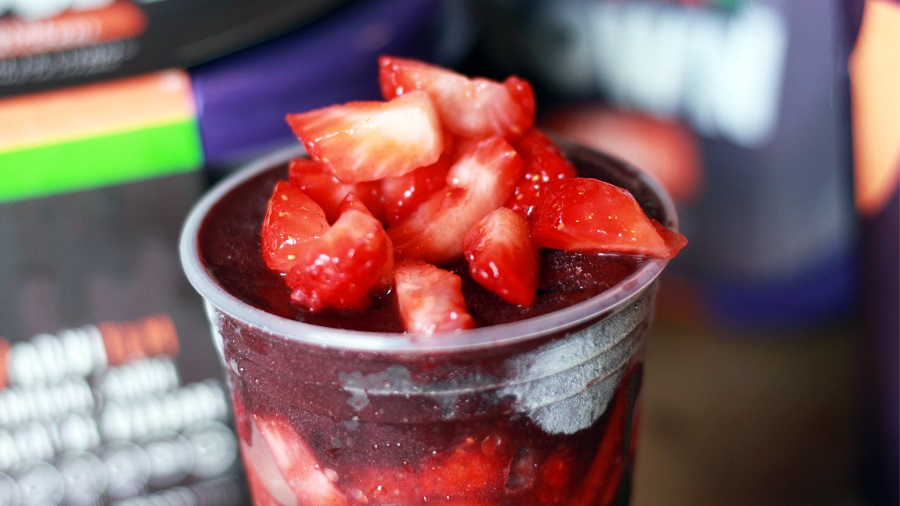
Açaí Berry Juice: variations açaí can bring to your business

April 30, 2026

Categorias: Padrão EN

When people think about açaí, most still picture the traditional bowls with toppings. But sticking only to that limits the product’s potential.

Açaí, especially in its sorbet form, can be used in many different ways within your business. It goes far beyond the cup or bowl and can open up new sales opportunities.

Far beyond the bowl

Açaí sorbet is an extremely versatile product. It has a creamy texture, a distinctive flavor, and appeals both to those looking for something healthy and those who simply want something tasty.

With the same product, you can create different menu options and reach a variety of audiences without having to change your entire operation.

Açaí as a beverage: a new opportunity

One of the most interesting ways to work with açaí is as a drink.

From sorbet, you can create:

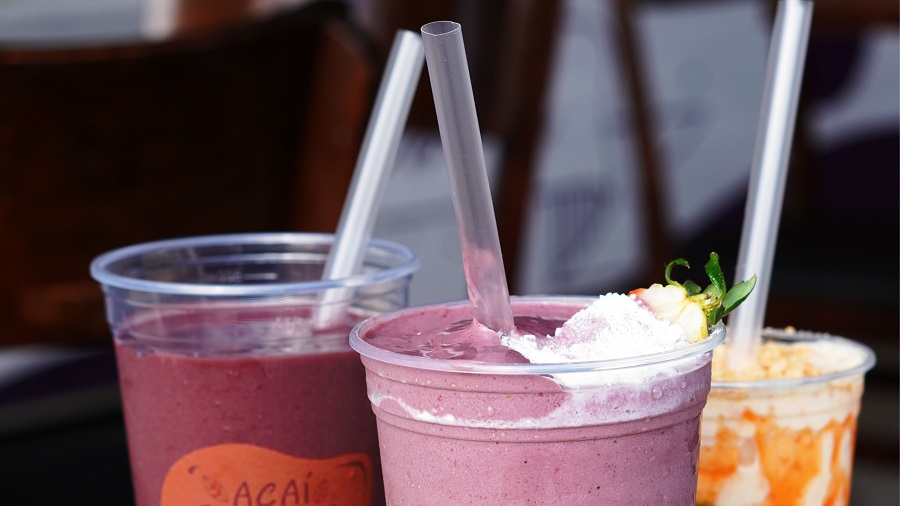
  • Lighter, more refreshing açaí juices
  • Smoothies with fruits like banana, strawberry, or mango
  • Creamier shakes with milk, whey, or nut butters

This format makes it easier for daily consumption and increases purchase frequency. Customers don’t need to wait for a specific moment, like dessert, to enjoy açaí.

From fitness to dessert

Açaí has a major advantage: it fits into different occasions.

It can be sold as a healthier option, ideal for those who train and look for energy before or after workouts. It can also be positioned as a more indulgent dessert, with sweeter combinations.

This allows you to serve different audiences using the same product.

A trend driven by social media

The growth of this type of product is also driven by social media.

Platforms like TikTok and Instagram help popularize foods that are visually appealing, practical, and different. Açaí drinks, smoothies, and shakes stand out and are easy to share.

In addition, açaí is seen as a “superfood” in markets like the United States, which further increases interest in the product.

More options, more sales

When you work with açaí in different formats, you increase your chances of selling more.

  • You expand your menu without significantly increasing costs
  • You attract new customers
  • You create more consumption occasions throughout the day

In the end, açaí stops being just a product and becomes a base for multiple offerings within your business.

One product, many possibilities

Açaí is already a success. The difference now lies in how you use it.

Exploring options like juices, smoothies, and shakes is a simple way to grow and stand out.

Because today, more important than selling açaí is knowing everything you can do with it.

Sources

Tastewise (consumer trends and growth of functional beverages with açaí); Tropical Açaí (applications of açaí in food service and menu expansion); Açaí Town (use of sorbet in different formats such as beverages and desserts); market studies on eating behavior and superfood consumption; influence of platforms like TikTok and Instagram on the popularity of visually appealing and healthy products.
Is there açaí in the United States? Much more than you might think

April 27, 2026

Categorias: Padrão EN
Tem Açai nos Estados Unidos? Does have açai on USA?

If someone asks, “is there açaí in the United States?”, the short answer is yes.
But the real answer is far more interesting—and strategic.

Açaí has not only entered the American market, it has been growing consistently and establishing itself as one of the main symbols of healthy eating for the new generation.

The growth of açaí in the American market

In recent years, açaí consumption in the United States has moved beyond a niche and gained significant space in the healthy food sector.

This growth is driven by three main factors: the expansion of specialized açaí bowl chains, the increasing demand for natural and functional foods, and the popularization of the “superfood” concept.

In the United States, açaí is widely recognized as a superfood, rich in antioxidants, healthy fats, and natural energy. Unlike traditional consumption in Brazil, it is often presented as a complete, balanced, and functional meal.

The role of new generations and digital platforms

One of the major forces behind this expansion is the behavior of the new generation.

Platforms like TikTok and Instagram play a direct role in popularizing açaí. Short videos showcasing bowl assembly, fitness routines, healthy meals, and a clean, natural aesthetic have turned açaí into a highly desirable product.

Açaí has become content. And content that sells.

From natural energy to a complete meal

Another key factor behind açaí’s success outside Brazil is its positioning.

In the United States, it is not seen only as a dessert. It is consumed as a pre-workout for its quick energy release, as a post-workout for nutritional recovery, and also as a complete meal when combined with fruits, granola, and proteins.

This usage is directly linked to the growth of the fitness market and the search for more natural alternatives compared to processed products.

In practice, açaí fits perfectly into an active, healthy, and practical lifestyle.

Global trend, Brazilian origin

Despite all this international adaptation, it is important to highlight that açaí remains a product with origins in the Amazon, with strong roots in the state of Pará.

This origin sustains its authenticity—something highly valued in international markets.

Açaí Town and international presence

Within this scenario, Brazilian brands have been gaining ground by taking not only the product but also the culture of açaí to other countries.

Açaí Town is already involved in international initiatives and connections, with a presence in projects and experiences related to markets outside Brazil, including the United States.

This movement reinforces açaí’s positioning as a global product with a Brazilian identity.

More than a trend, a new consumption standard

Açaí in the United States is not just a passing trend.

It represents a clear shift in consumer behavior: greater food awareness, a search for functionality, and appreciation for the origin of food.

Within this context, açaí stands out in a unique way—natural, energizing, versatile, and aligned with the modern lifestyle.

In the end, the question is no longer “is there açaí in the United States?”, but rather how far Brazilian açaí can still go.

Sources

Tastewise (market data and growth of açaí consumption in the United States); Tropical Açaí (store expansion and presence in the American food service sector); Açaí Town (product internationalization and presence in markets such as California, Florida, and Hawaii); Flavor365 (consumer trends and the influence of social media platforms like TikTok and Instagram); Wikipedia (history of açaí’s popularization outside Brazil); international nutritional studies on superfoods (antioxidant, energy, and functional properties of açaí).

Where does açaí come from? The origin and variations of the Amazonian fruit

April 22, 2026

Categorias: Padrão EN
where does açai come from?

When someone asks “where does açaí come from,” the answer seems simple at first glance: the Amazon. But in practice, that answer opens the door to a much richer universe of territories, species, and flavors that many people still don’t know.

Far beyond the Amazon: the leading role of Pará

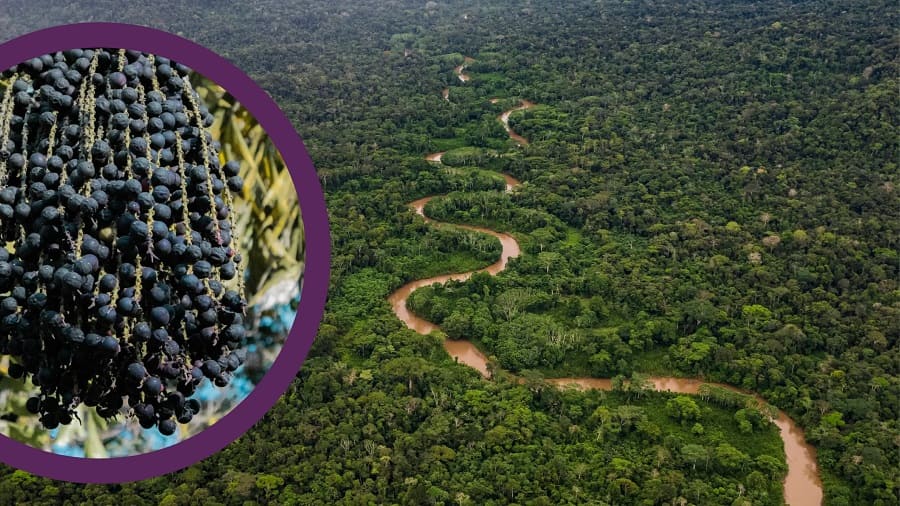
Açaí is native to the Amazon region, one of the most biodiverse biomes on the planet. However, when it comes to large-scale production and recognized quality, it’s impossible not to highlight the state of Pará.

Today, Pará is responsible for about 90% of Brazil’s açaí production. Cities such as Igarapé-Miri, Abaetetuba, and Belém are references in the cultivation and processing of the fruit. A large portion of the açaí consumed both in Brazil and internationally comes from there.

In other words, although açaí is Amazonian by essence, the açaí that reaches you most often originates from Pará.

Not all açaí is the same: different species

Another lesser-known point is that “açaí” is not a single standardized fruit. There are different species and variations that directly influence flavor, texture, and nutritional value.

Among the main ones, we can highlight:

Black açaí (Euterpe oleracea)

The most common and widely consumed. It has an intense, slightly earthy flavor and a high content of anthocyanins — the antioxidants responsible for its dark color.

White açaí

A rarer variation, with a lighter color and a milder, less pronounced flavor. It is highly appreciated regionally but not widely known outside Northern Brazil.

Single-stem açaí and clump-growing açaí
These classifications are related to how the palm tree grows. The “single-stem” grows in isolation, while the “clump-growing” type grows in clusters. This can impact productivity and even subtle characteristics of the fruit.

Early-harvest açaí (or “precocious” varieties)
Refers to varieties that produce fruit earlier in their cycle, playing an important role in maintaining supply throughout the year.

These variations exist due to factors such as soil, climate, cultivation practices, and plant genetics — which means two açaí fruits can have completely different profiles, even if they come from the same region.

The taste of the territory

The açaí traditionally consumed in Northern Brazil is quite different from the version popularized in the rest of the country. While in the Southeast and South it is usually sweeter and served with fruits and toppings, in Pará consumption is more traditional: pure, with farinha (cassava flour), or even paired with savory dishes.

This difference is not only cultural — it also comes from the raw material. Açaí from Pará tends to be denser, less diluted, and with a more authentic flavor.

One fruit, multiple identities

Understanding where açaí comes from also means understanding that it is not a single product, but a universe of possibilities.

From the heart of the Amazon to the riverbanks of Pará, each fruit carries its own characteristics — a direct result of nature, cultivation, and local culture.

And perhaps that’s what makes açaí much more than a global trend: above all, it is an expression of Brazilian biodiversity.

Sources:
IBGE (Vegetal Extraction and Forestry Production – PEVS); EMBRAPA (studies on açaí cultivation and species); SciELO (scientific articles on composition and fruit variations); academic research from Amazon-region universities such as UFPA and UFRA.