Açaí Beyond Brazil: The Accompaniments That Turned the Superfruit Into a Global Trend

May 12, 2026

Categorias: Padrão EN
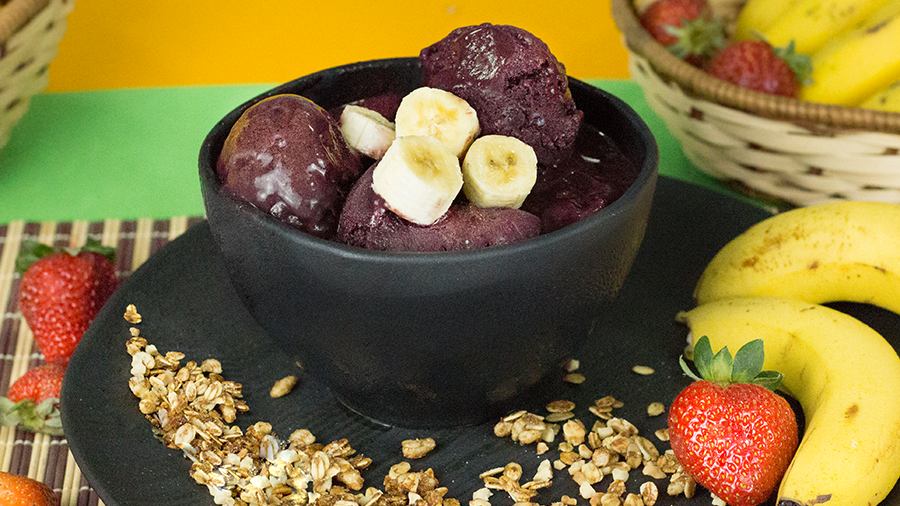
Toppings for açaí bowl

Accompaniments for Açaí Outside Brazil

For many years, açaí was strongly connected to Brazilian culture, especially in the northern region of the country, where it is part of the daily diet of thousands of people. However, over the last decades, the fruit crossed borders and became one of the biggest trends in the global healthy food market.

Today, açaí is consumed in several countries, especially in the United States and across Europe, where it gained recognition as a true superfruit. More than just a refreshing dessert, açaí became associated with energy, physical performance, wellness, and functional nutrition.


Açaí as a Superfood in the International Market

The international market started to recognize açaí as a functional food capable of combining flavor and nutritional benefits. Because of this, the fruit became extremely popular in gyms, healthy cafés, juice bars, and wellness-focused restaurants.

The growth in consumption also follows a global behavioral shift. More consumers are searching for natural foods rich in nutrients that provide balanced energy throughout the day.

In this scenario, açaí gained attention for characteristics such as:

  • High antioxidant potential
  • Natural energy source
  • Rich in fiber
  • Healthy fats
  • Versatility in consumption
  • Easy combination with healthy ingredients

How Açaí Is Consumed in the United States and Europe

Unlike the traditional Brazilian consumption style, often accompanied by sweets and more indulgent toppings, abroad açaí is usually consumed with a focus on health and nutritional value.

In the United States and several European countries, the famous “açaí bowls” are part of the routine of people looking for balanced and practical meals.

The product is commonly consumed:

  • At breakfast
  • As a pre-workout meal
  • As a post-workout recovery option
  • In fitness diets
  • In vegan and vegetarian lifestyles
  • As an energy alternative for athletes throughout the day

The image of açaí outside Brazil is directly connected to the concept of “superfood,” a term used for foods rich in antioxidants, vitamins, fiber, and important nutrients.


Peanut Butter: Energy and Protein

Peanut butter is one of the most traditional combinations in the United States. Rich in protein and healthy fats, it is widely consumed by people who practice physical activities and seek more satiety and energy.

Besides its intense flavor, the combination with açaí became popular among athletes and consumers searching for functional meals in their daily routines.


Chia and Functional Seeds

Chia became extremely popular in the fitness market because it is rich in fiber, omega-3, and minerals. Mixed with açaí, it helps transform the bowl into an even more nutritious meal.

Other ingredients such as flaxseed, pumpkin seeds, and hemp seeds also frequently appear in international bowls, reinforcing the healthy positioning of the product.


Granola and Nutritional Crunch

Granola remains one of the most consumed toppings worldwide. Besides its crunchy texture, it adds fiber and carbohydrates that are important for daily nutrition.

In many countries, versions with nuts, oats, and whole ingredients are preferred by consumers looking for balanced meals.


Fresh Fruits and Dried Fruits

Banana, strawberry, blueberry, kiwi, and mango frequently appear in international combinations. Fruits help bring freshness, vitamins, and balance to the meal.

Ingredients such as cranberry, raisins, dried apricot, and dehydrated coconut provide practicality and enrich açaí bowls nutritionally.


Açaí as Part of a Healthy Lifestyle

In international markets, açaí stopped being just a tropical dessert and became part of the daily routine of millions of people.

Today, its consumption is strongly linked to healthy habits, quality of life, and physical performance. The açaí bowl became a symbol of a balanced, modern lifestyle connected to wellness.

In addition, the fruit’s versatility allows almost endless combinations, helping the product attract different audiences in several countries.


The Future of Açaí in the Global Market

The global healthy eating trend continues to grow, and açaí follows this movement more strongly every year. International markets are looking for natural, nutritious, and functional products, exactly the characteristics that transformed Brazilian açaí into a worldwide reference.

More than just a passing trend, açaí has established itself as a global superfruit capable of combining flavor, energy, and nutrition in a single experience.


Sources and References

ACAI THAWED: WHAT NOW?

May 6, 2026

Categorias: Padrão EN
pote de açaí

Açaí is known for its creamy texture, rich flavor, and refreshing experience. Whether in sorbet form or frozen pulp, it depends directly on proper temperature to maintain its ideal consumption characteristics. That’s why a common question arises for both consumers and businesses: what happens when açaí thaws?

What happens when açaí leaves the freezer

When açaí is exposed to temperatures above freezing, a process called Decantation occurs. This phenomenon causes the components of the product to separate, making visible what was previously homogeneous.

In practice, the açaí begins to show two distinct phases. One is more liquid, mainly composed of water, and the other is denser, where the solids and natural fats of the fruit are concentrated. This separation happens because the structure that kept everything uniform breaks down during thawing.

Why the texture changes

The creamy texture of açaí is not accidental. It is the result of a controlled freezing process, where micro ice crystals form and help maintain a stable Emulsion.

When the product thaws, these crystals melt and the emulsion loses stability. As a result, the açaí no longer has its smooth and consistent texture. Even if it is frozen again, it will not return to its original state because its internal structure has already been compromised.

Can you still consume it?

From a safety perspective, consumption may still be possible if the product has not been exposed to contamination risks and has not remained out of refrigeration for too long. However, the main impact is on quality.

Thawed açaí loses its creaminess, shows visible separation, and delivers a less pleasant texture. For those seeking the ideal consumption experience, especially in a business context, this represents a significant drop in quality.

Açaí behaves like ice cream

Just like Ice cream, açaí depends on a well-maintained cold chain. When this process is interrupted, the product undergoes irreversible changes in texture and structure.

That is why the best way to consume açaí is when it is kept at the correct temperature, ensuring consistency, flavor, and the experience consumers expect.

Conclusion

If açaí has thawed, the most important thing to understand is that it will not be the same product anymore. Decantation, phase separation, and loss of creaminess are natural outcomes in this situation.

For businesses, maintaining temperature control is not just a technical detail but an essential factor in ensuring quality and consistency. For consumers, it reinforces the importance of proper storage to preserve everything that makes açaí a unique experience.


📚 Sources

Content based on principles of Food Science and Food Technology, supported by the following references:

• Food Processing Technology: Principles and Practice – Peter Fellows
A classic reference on freezing, thawing, and structural changes in foods.

• FAO (Food and Agriculture Organization of the United Nations)
Guidelines and publications on food processing and preservation
https://www.fao.org

• ANVISA (Brazilian Health Regulatory Agency)
Guidelines on storage, cold chain, and food safety
https://www.gov.br/anvisa

• Fennema’s Food Chemistry – Damodaran, Parkin & Fennema
Technical reference on emulsions and physicochemical stability of foods

• Embrapa (Brazilian Agricultural Research Corporation)
Content on fruit processing and frozen pulp stability
https://www.embrapa.br

Açaí Berry Juice: variations açaí can bring to your business

April 30, 2026

Categorias: Padrão EN

When people think about açaí, most still picture the traditional bowls with toppings. But sticking only to that limits the product’s potential.

Açaí, especially in its sorbet form, can be used in many different ways within your business. It goes far beyond the cup or bowl and can open up new sales opportunities.

Far beyond the bowl

Açaí sorbet is an extremely versatile product. It has a creamy texture, a distinctive flavor, and appeals both to those looking for something healthy and those who simply want something tasty.

With the same product, you can create different menu options and reach a variety of audiences without having to change your entire operation.

Açaí as a beverage: a new opportunity

One of the most interesting ways to work with açaí is as a drink.

From sorbet, you can create:

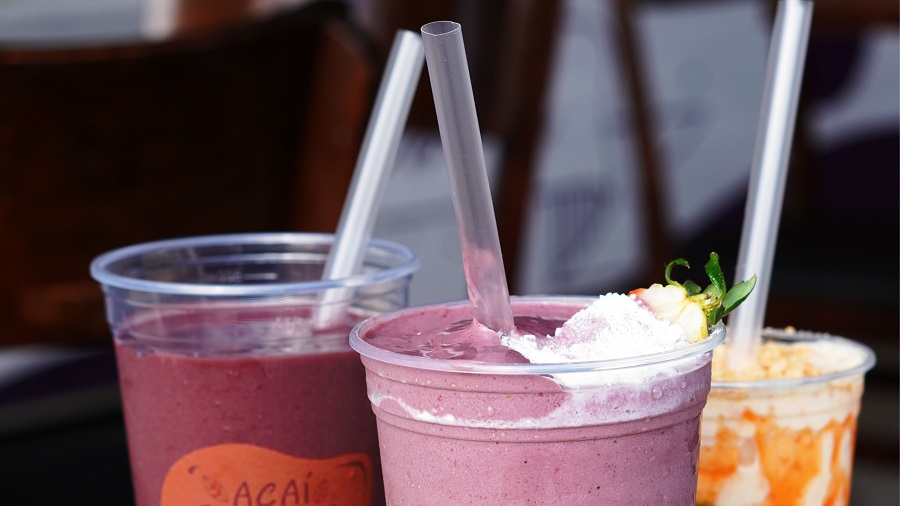
  • Lighter, more refreshing açaí juices
  • Smoothies with fruits like banana, strawberry, or mango
  • Creamier shakes with milk, whey, or nut butters

This format makes it easier for daily consumption and increases purchase frequency. Customers don’t need to wait for a specific moment, like dessert, to enjoy açaí.

From fitness to dessert

Açaí has a major advantage: it fits into different occasions.

It can be sold as a healthier option, ideal for those who train and look for energy before or after workouts. It can also be positioned as a more indulgent dessert, with sweeter combinations.

This allows you to serve different audiences using the same product.

A trend driven by social media

The growth of this type of product is also driven by social media.

Platforms like TikTok and Instagram help popularize foods that are visually appealing, practical, and different. Açaí drinks, smoothies, and shakes stand out and are easy to share.

In addition, açaí is seen as a “superfood” in markets like the United States, which further increases interest in the product.

More options, more sales

When you work with açaí in different formats, you increase your chances of selling more.

  • You expand your menu without significantly increasing costs
  • You attract new customers
  • You create more consumption occasions throughout the day

In the end, açaí stops being just a product and becomes a base for multiple offerings within your business.

One product, many possibilities

Açaí is already a success. The difference now lies in how you use it.

Exploring options like juices, smoothies, and shakes is a simple way to grow and stand out.

Because today, more important than selling açaí is knowing everything you can do with it.

Sources

Tastewise (consumer trends and growth of functional beverages with açaí); Tropical Açaí (applications of açaí in food service and menu expansion); Açaí Town (use of sorbet in different formats such as beverages and desserts); market studies on eating behavior and superfood consumption; influence of platforms like TikTok and Instagram on the popularity of visually appealing and healthy products.

Is there açaí in the United States? Much more than you might think

April 27, 2026

Categorias: Padrão EN
Tem Açai nos Estados Unidos? Does have açai on USA?

If someone asks, “is there açaí in the United States?”, the short answer is yes.
But the real answer is far more interesting—and strategic.

Açaí has not only entered the American market, it has been growing consistently and establishing itself as one of the main symbols of healthy eating for the new generation.

The growth of açaí in the American market

In recent years, açaí consumption in the United States has moved beyond a niche and gained significant space in the healthy food sector.

This growth is driven by three main factors: the expansion of specialized açaí bowl chains, the increasing demand for natural and functional foods, and the popularization of the “superfood” concept.

In the United States, açaí is widely recognized as a superfood, rich in antioxidants, healthy fats, and natural energy. Unlike traditional consumption in Brazil, it is often presented as a complete, balanced, and functional meal.

The role of new generations and digital platforms

One of the major forces behind this expansion is the behavior of the new generation.

Platforms like TikTok and Instagram play a direct role in popularizing açaí. Short videos showcasing bowl assembly, fitness routines, healthy meals, and a clean, natural aesthetic have turned açaí into a highly desirable product.

Açaí has become content. And content that sells.

From natural energy to a complete meal

Another key factor behind açaí’s success outside Brazil is its positioning.

In the United States, it is not seen only as a dessert. It is consumed as a pre-workout for its quick energy release, as a post-workout for nutritional recovery, and also as a complete meal when combined with fruits, granola, and proteins.

This usage is directly linked to the growth of the fitness market and the search for more natural alternatives compared to processed products.

In practice, açaí fits perfectly into an active, healthy, and practical lifestyle.

Global trend, Brazilian origin

Despite all this international adaptation, it is important to highlight that açaí remains a product with origins in the Amazon, with strong roots in the state of Pará.

This origin sustains its authenticity—something highly valued in international markets.

Açaí Town and international presence

Within this scenario, Brazilian brands have been gaining ground by taking not only the product but also the culture of açaí to other countries.

Açaí Town is already involved in international initiatives and connections, with a presence in projects and experiences related to markets outside Brazil, including the United States.

This movement reinforces açaí’s positioning as a global product with a Brazilian identity.

More than a trend, a new consumption standard

Açaí in the United States is not just a passing trend.

It represents a clear shift in consumer behavior: greater food awareness, a search for functionality, and appreciation for the origin of food.

Within this context, açaí stands out in a unique way—natural, energizing, versatile, and aligned with the modern lifestyle.

In the end, the question is no longer “is there açaí in the United States?”, but rather how far Brazilian açaí can still go.

Sources

Tastewise (market data and growth of açaí consumption in the United States); Tropical Açaí (store expansion and presence in the American food service sector); Açaí Town (product internationalization and presence in markets such as California, Florida, and Hawaii); Flavor365 (consumer trends and the influence of social media platforms like TikTok and Instagram); Wikipedia (history of açaí’s popularization outside Brazil); international nutritional studies on superfoods (antioxidant, energy, and functional properties of açaí).

Where does açaí come from? The origin and variations of the Amazonian fruit

April 22, 2026

Categorias: Padrão EN
where does açai come from?

When someone asks “where does açaí come from,” the answer seems simple at first glance: the Amazon. But in practice, that answer opens the door to a much richer universe of territories, species, and flavors that many people still don’t know.

Far beyond the Amazon: the leading role of Pará

Açaí is native to the Amazon region, one of the most biodiverse biomes on the planet. However, when it comes to large-scale production and recognized quality, it’s impossible not to highlight the state of Pará.

Today, Pará is responsible for about 90% of Brazil’s açaí production. Cities such as Igarapé-Miri, Abaetetuba, and Belém are references in the cultivation and processing of the fruit. A large portion of the açaí consumed both in Brazil and internationally comes from there.

In other words, although açaí is Amazonian by essence, the açaí that reaches you most often originates from Pará.

Not all açaí is the same: different species

Another lesser-known point is that “açaí” is not a single standardized fruit. There are different species and variations that directly influence flavor, texture, and nutritional value.

Among the main ones, we can highlight:

Black açaí (Euterpe oleracea)

The most common and widely consumed. It has an intense, slightly earthy flavor and a high content of anthocyanins — the antioxidants responsible for its dark color.

White açaí

A rarer variation, with a lighter color and a milder, less pronounced flavor. It is highly appreciated regionally but not widely known outside Northern Brazil.

Single-stem açaí and clump-growing açaí
These classifications are related to how the palm tree grows. The “single-stem” grows in isolation, while the “clump-growing” type grows in clusters. This can impact productivity and even subtle characteristics of the fruit.

Early-harvest açaí (or “precocious” varieties)
Refers to varieties that produce fruit earlier in their cycle, playing an important role in maintaining supply throughout the year.

These variations exist due to factors such as soil, climate, cultivation practices, and plant genetics — which means two açaí fruits can have completely different profiles, even if they come from the same region.

The taste of the territory

The açaí traditionally consumed in Northern Brazil is quite different from the version popularized in the rest of the country. While in the Southeast and South it is usually sweeter and served with fruits and toppings, in Pará consumption is more traditional: pure, with farinha (cassava flour), or even paired with savory dishes.

This difference is not only cultural — it also comes from the raw material. Açaí from Pará tends to be denser, less diluted, and with a more authentic flavor.

One fruit, multiple identities

Understanding where açaí comes from also means understanding that it is not a single product, but a universe of possibilities.

From the heart of the Amazon to the riverbanks of Pará, each fruit carries its own characteristics — a direct result of nature, cultivation, and local culture.

And perhaps that’s what makes açaí much more than a global trend: above all, it is an expression of Brazilian biodiversity.

Sources:
IBGE (Vegetal Extraction and Forestry Production – PEVS); EMBRAPA (studies on açaí cultivation and species); SciELO (scientific articles on composition and fruit variations); academic research from Amazon-region universities such as UFPA and UFRA.

Is It Possible to Refreeze Açaí? What You Need to Know About Quality and Safety

March 25, 2026

Categorias: Padrão EN
Açaí com Qualidade e Segurança

Açaí has become one of the most consumed products worldwide, especially in the form of sorbets and smoothie bases. With this growth, questions about storage and handling also arise. One of the most common is: can açaí be refrozen?

The answer is not as simple as it seems — it all depends on how the product was handled after thawing.

What Happens When Açaí Thaws?

Açaí is a highly sensitive product, even when frozen. When it begins to thaw, some changes occur:

  • Ice crystals dissolve, affecting the texture
  • Natural oxidation may occur
  • There is an increased risk of microorganism growth if kept at improper temperatures

That’s why the thawing stage is critical to maintaining product quality.

Can Açaí Be Refrozen?

It is not recommended.

Refreezing açaí can cause:

  • Loss of its creamy texture
  • Formation of larger ice crystals
  • Changes in flavor and color
  • Potential food safety risks (if handled improperly)

For stores and açaí shops, this directly impacts the customer experience. A product that was once creamy may become inconsistent and visually less appealing.

The Importance of Using High-Quality Açaí

More than the storage process, the quality of açaí from its origin makes all the difference in the final result.

Products with high fruit concentration, consistent industrial standards, and strict production control tend to:

  • Better maintain texture after temperature variations
  • Preserve flavor and color for longer
  • Offer greater stability during daily handling
  • Reduce operational losses

That’s why choosing a reliable supplier is essential.

Açaí Town, for example, operates with standardized processes and international-level quality control, ensuring a more stable, safe product with authentic flavor. For businesses aiming to grow consistently, this choice directly impacts customer experience and brand reputation.

Best Practices for Açaí Storage

To maintain a premium standard, it’s essential to follow some practices:

1. Keep It Frozen at All Times
Store açaí at -18°C (0°F) or below to preserve texture and flavor.

2. Avoid Temperature Fluctuations
Constant variations accelerate quality loss.

3. Thaw Only What You Need
For businesses, portion control prevents waste and maintains product consistency.

4. Use Soon After Thawing
Once thawed, açaí should be used as quickly as possible.

Why Does Refreezing Affect Quality?

The main issue lies in the product’s structure. When frozen, açaí forms small ice crystals. When thawed and refrozen, these crystals grow larger, damaging the creamy texture that defines high-quality açaí.

Higher-quality products tend to suffer less from this process, but they are still not immune to the effects of refreezing.

Final Considerations

So, can açaí be refrozen?

To ensure quality, flavor, and safety, açaí should remain frozen until the moment of use, avoiding thawing and refreezing cycles.

More importantly, starting with high-quality açaí makes all the difference. From texture to product stability, choosing the right supplier is one of the most strategic decisions for anyone looking to offer a premium product.

What is açaí zero?

March 17, 2026

Categorias: Padrão EN
Açaí Zero, o que é?

Açaí zero is a version of açaí sorbet prepared without added sugar. Instead of traditional sugar, some recipes use sweeteners or simply keep the product unsweetened, preserving more of the fruit’s natural characteristics.

This version has become quite popular among people who want to reduce their sugar intake.

For this reason, açaí zero is often associated with a more balanced diet. However, it is important to understand that zero sugar does not mean zero calories.

Does açaí zero have calories?

Yes, açaí zero does have calories.

Even without added sugar, açaí is still a fruit with natural energy value. This is because the fruit itself contains natural fats, carbohydrates, and nutrients that are part of its composition.

These components are responsible for providing energy to the body, which means the product will still have caloric value, even in its sugar-free version.

In other words, removing sugar from the recipe reduces one of the energy components, but it does not eliminate the calories from the product.

Why is açaí zero still caloric?

Açaí is known for being a fruit naturally rich in nutrients. Among the components found in the fruit are:

  • natural fats from açaí
  • carbohydrates inherent to the fruit
  • fiber and antioxidants

These elements are part of the natural composition of the Amazonian fruit and contribute to its nutritional and energy value.

Therefore, even without added sugar, açaí sorbet still contains calories derived from these nutrients.

Does açaí zero cause weight gain?

Like any food, the impact of açaí on your diet mainly depends on the amount consumed and the overall dietary context.

Açaí zero can be part of a balanced diet when consumed in moderation.

Another important factor is the choice of toppings. Ingredients such as condensed milk, creams, chocolates, and syrups can significantly increase the caloric value of a bowl or cup of açaí.

On the other hand, combinations with fruits, granola, or nuts can result in a more balanced option within a varied diet.

When should you choose açaí zero?

O açaí zero costuma ser uma boa alternativa para pessoas que:

  • prefer to reduce sugar intake
  • are looking for desserts with no added sugar
  • want to enjoy the flavor of açaí in a more natural way

Currently, many specialized producers, such as Açaí Town, also develop sugar-free açaí options to meet consumers seeking different consumption choices.

Açaí remains a nutritious fruit

Regardless of the version chosen, açaí is known for being rich in antioxidants, fiber, and natural fats.

These nutrients are part of the composition of the Amazonian fruit and contribute to its nutritional value.

For this reason, açaí continues to be highly appreciated by consumers who value flavor, energy, and versatility in different combinations.

Açaí in Brazil: A Dessert That Conquered the Country

March 10, 2026

Categorias: Padrão EN
Açai Dessert Success in Brazil

A common question among many people is whether açaí is sweet or a fruit. In fact, açaí is an Amazonian fruit, but in Brazil it came to be consumed mainly as a dessert.

In many Brazilian cities, especially in the Southeast, South, and Central-West regions, açaí is prepared as a frozen açaí cream, served in cups or bowls and combined with various ingredients. For this reason, many consumers consider açaí to be a sweet treat, similar to other frozen desserts.

This way of consuming açaí became very popular with the growth of açaí shops, specialized establishments that offer different combinations and formats of the product.

How Açaí is Consumed in Brazil

One of the most remarkable characteristics of açaí consumption in Brazil is the variety of toppings. The traditional cup or bowl of açaí can receive several toppings that make the dessert even more delicious.

Among the most popular toppings are:

Crunchy granola

Powdered milk

Condensed milk

Banana

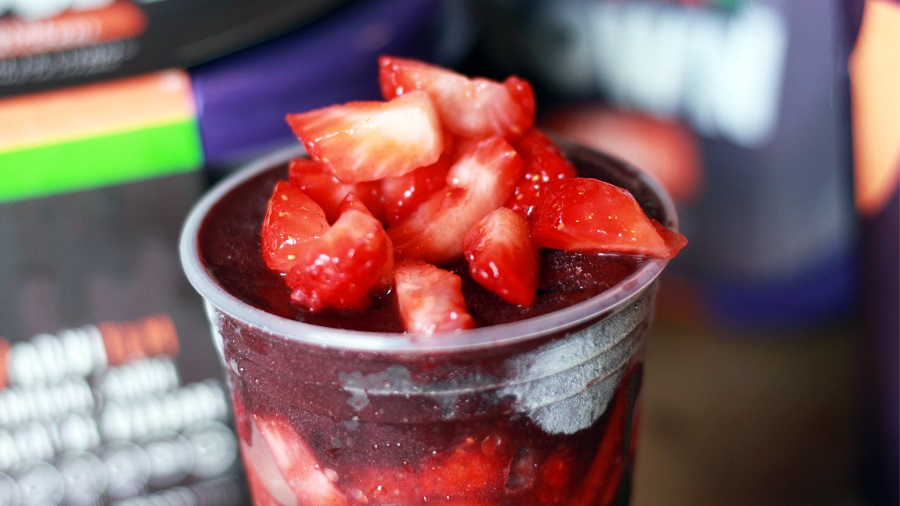
Strawberry

Honey

Paçoca (a traditional Brazilian peanut sweet)

Chocolate syrups

These combinations create different versions of açaí desserts, allowing each person to customize their cup according to their own taste. This versatility helped turn açaí into one of the most consumed desserts in Brazil.

The Flavor of Açaí: From Amazonian Fruit to Sweet Açaí

Another very common question is whether açaí contains sugar. The açaí fruit, in its natural form, has a more neutral and slightly earthy flavor. However, in Brazil it is common to add guaraná syrup or other ingredients to create the well-known sweet açaí served in açaí shops.

This adaptation helped popularize the product throughout the country, transforming açaí into a cold, creamy, and refreshing dessert, especially appreciated in warm climate regions.

In addition to its flavor, açaí is also valued for its nutritional benefits, as the fruit is known to be rich in antioxidants, fiber, and natural fats.

A Refreshing Dessert for the Brazilian Climate

Brazil’s tropical climate also contributes to the success of açaí as a dessert. For much of the year, high temperatures make cold and refreshing foods highly desirable.

In this context, açaí ice cream or frozen açaí cream becomes an ideal option for those looking for something sweet, refreshing, and at the same time nutritious. For this reason, açaí is present in gatherings with friends, outings, leisure moments, and even as a refreshing break during the day.

From Brazilian Consumption to International Interest

The Brazilian way of consuming açaí, especially in the form of customizable cups with toppings, began to attract the attention of international markets. In several countries, cafés, restaurants, and specialized stores have started adopting formats inspired by traditional Brazilian açaí shops.

Thus, açaí has gone from being just an Amazonian fruit to also representing a modern tropical dessert associated with a healthy lifestyle, natural flavor, and the Brazilian gastronomic experience.

Açaí Town: Bringing Brazilian Açaí to the World

At Açaí Town, we believe that açaí is much more than a superfood. It represents an experience that combines flavor, freshness, and the energy of Brazilian culture.

With products developed under rigorous quality standards, Açaí Town works to bring authentic Brazilian açaí to different markets around the world. Our goal is to connect the richness of the Amazon with consumers who value quality, authenticity, and innovation.

If you would like to learn more about our products or explore business opportunities with Brazilian açaí in the international market, contact our team and discover how Açaí Town can support your expansion.

Is açaí a good for breakfast?

January 22, 2026

Categorias: Padrão EN
açai for breakfast

Yes. Although it is not a very common habit in Brazil, açaí can go beyond being just a dessert or an afternoon snack and earn its place in one of the most important meals of the day: breakfast.

Practical, nutritious and extremely versatile, açaí has become an increasingly popular choice for those looking for energy early in the morning. And there are many reasons for that.

A superfood to start the day

Açaí has gained worldwide recognition as a superfood due to its rich and balanced nutritional profile. It is a source of antioxidants, which help fight free radicals, fiber that supports healthy digestion, minerals such as iron, calcium and potassium, and healthy fats that promote satiety and provide sustained energy.

This combination makes açaí a complete food, capable of nourishing the body and maintaining energy levels throughout the morning. For this reason, it is also an excellent option for people who practice physical activities and need energy early in the day.

Energy and satiety from the start

One of the main purposes of breakfast is to provide energy after hours of fasting. Açaí fulfills this role efficiently, helping maintain focus and vitality while preventing early-morning fatigue. When combined with the right toppings, it also increases satiety, helping control hunger until the next meal.

Digestion and immunity

Thanks to its fiber content, açaí contributes to more efficient digestion and healthy intestinal function. Its antioxidants and nutrients also help strengthen the immune system, which is essential for those seeking balance and well-being in their daily routine.

The importance of açaí quality

To fully enjoy these benefits, the quality of açaí is essential. A well-selected product, with proper processing and a focus on flavor and purity, makes all the difference in the final result of the meal. In the case of açaí sorbet, this means a high concentration of real fruit.

This is where Açaí Town stands out. We work with high-quality açaí, developed to offer a balanced experience of flavor, texture and nutritional value, ideal for those who seek a more conscious and nourishing breakfast.

How to build a complete breakfast with açaí

One of açaí’s greatest strengths is its versatility. It can be adapted to personal taste and individual nutritional needs. Some popular combinations include:

• Blending açaí with fresh fruits such as banana, strawberry, mango or orange to make a juice or smoothie
• Adding granola or oats to bowls for extra fiber and crunch
• Including nuts and seeds, such as chia, to add healthy fats
• Blending with powdered milk or whey protein to create a protein shake

Practical for everyday life

In addition to being nutritious, açaí is a practical option for daily routines. Easy to prepare and consume, it fits perfectly into busy mornings without compromising nutritional quality. Whether at home, at work or before daily activities, açaí is a versatile alternative for those who want more energy early in the day.

In summary

Yes, açaí is an excellent option for breakfast. It provides energy, supports immunity and digestion, promotes satiety and allows countless combinations, all with great flavor.

By choosing a high-quality product, such as Açaí Town’s açaí, breakfast becomes a nutritious, balanced and versatile moment to start the day.

Is Açaí a Dessert?

January 21, 2026

Categorias: Padrão EN
is açaí a dessert?

Yes. Especially when we talk about açaí in its sorbet form. Even so, the way açaí is consumed varies greatly depending on region and culture.

In much of Brazil, particularly in the Southeast, South and Central-West regions, açaí is widely consumed as a dessert when it is combined with sweet ingredients. The fruit becomes a dessert mainly through pairings with hazelnut cream, powdered milk, dulce de leche, fruits and mousses. Served cold, with a creamy texture and these sweet combinations, açaí has become a refreshing alternative to traditional ice cream. The classic açaí bowl with toppings has earned its place in cafés, açaí shops and in the daily routine of people who look for flavor combined with convenience.

In the North of the country, the birthplace of açaí, consumption is very different. There, the fruit is part of the main meal, usually served plain or accompanied by savory foods such as fish and cassava flour. This tradition reinforces the cultural value of açaí and shows that it goes far beyond the sweet version that became popular in other regions of Brazil.

Brazilian açaí as a global trend

In Brazil, the sweet consumption model has been consolidated mainly in the form of sorbet. It is often seen as a practical meal, a pre- or post-workout option, and even as a substitute for traditional ice cream. Açaí sorbet has gained a more premium positioning, associated with well-being, balanced nutrition, energy and differentiated gastronomic experiences.

This scenario opens space for Brazilian açaí to be explored not only as a dessert, but also as a versatile and sophisticated ingredient, capable of adapting to different formats and palates around the world.

Beyond the traditional bowl, açaí has gained new ways of consumption. Today it can be found in gourmet versions such as gelato, smoothies, shakes, protein products and juices. This diversity expands its market potential and allows açaí to be consumed at different moments of the day, from breakfast to dessert, reinforcing its role as a product that brings together culture, flavor and innovation.

In the end, açaí can be a dessert, a beverage or a meal. It all depends on how it is presented and the experience we want to create.

It is within this context that Açaí Town stands out. The brand combines the tradition of Brazilian açaí with innovation, producing high-quality sorbets that respect the fruit’s origin while following global consumption trends. With a portfolio that values flavor, quality and versatility, Açaí Town shows that açaí goes far beyond the traditional dessert and becomes a gastronomic experience capable of bringing the taste of Brazil to different markets.